Three share Blue Carbon Plus initiative’s $150,000

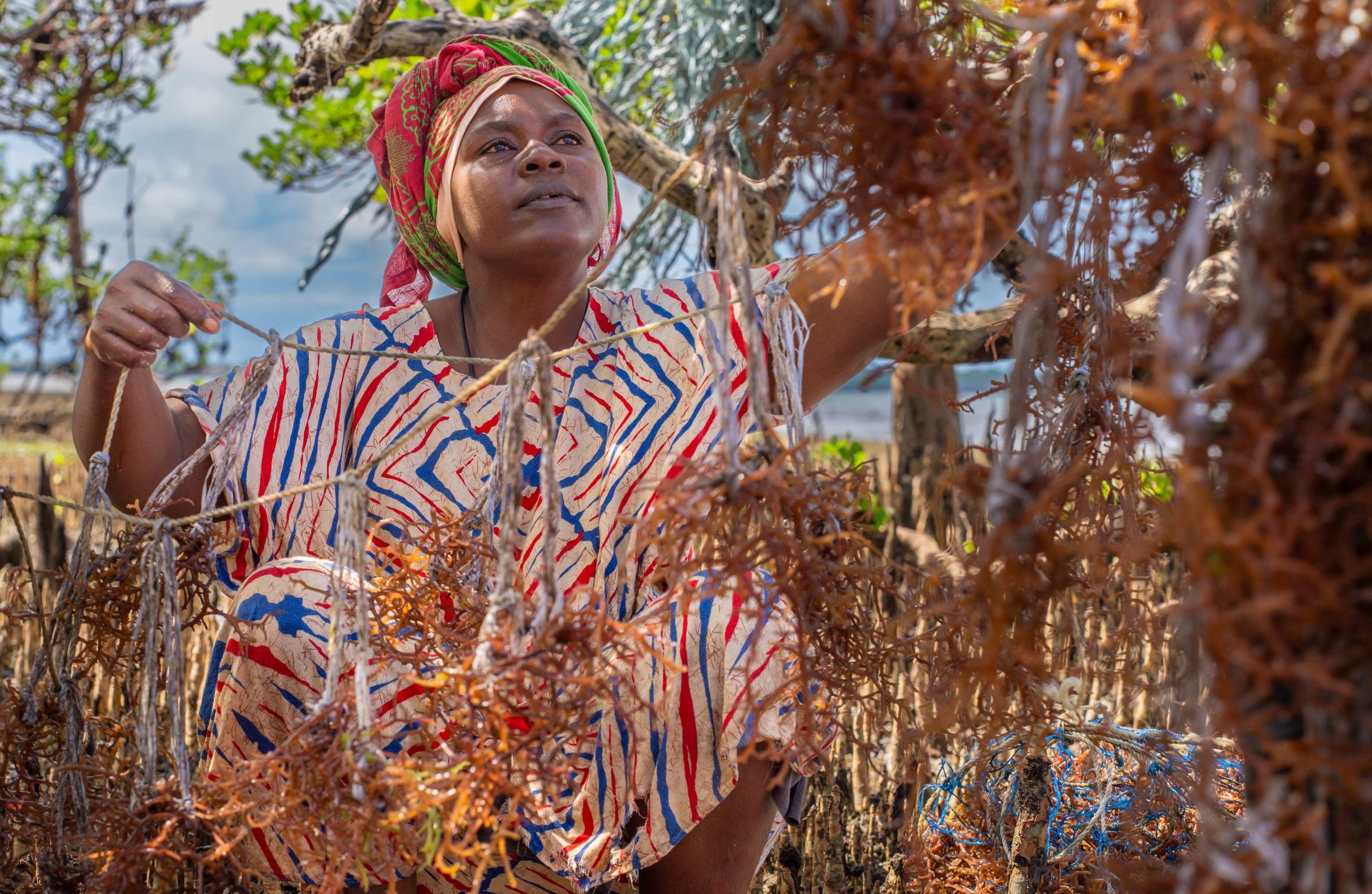
Main Photo: Phyto Corporation were awarded a $50,000 grant after winning the scaling stage category
Three of the ten startups taking part in the inaugural Blue Carbon Plus (BC+) Challenge– a new initiative run by Hatch Blue, Conservation International and The Nature Conservancy – have been selected as the recipients of a USD 150K one year grant.
SINGAPORE - 27 May 2025
The BC+ Challenge accelerates emerging blue carbon business models within four blue carbon priority ecosystems: mangrove, tidal marsh, seagrass and macroalgae.
All participants have been selected for their profitable structure and ecosystem forward model – creating strong incentives for both businesses and communities to conserve and regenerate blue carbon ecosystems, supporting increased carbon sequestration, reduced greenhouse gas emissions and biodiversity recovery.

The 2025 edition of the BC+ Challenge was held in Singapore from 5–8 May, 2025. On the final day, six of the 10 teams were selected to present their solutions to a room of investors. Three were awarded USD $50,000 in grant funding. The grantees include:
• Mapape Co-operative Society – which blends mangrove and seagrass restoration in Tanzania with livelihoods like sea cucumber farming, crab fattening and mangrove beekeeping – won the community-led enterprise category
• Mena Tsook – a social enterprise in Madagascar that transforms sea urchins into eco-friendly cosmetics and décor, while restoring seagrass meadows – won the pilot stage category
• Phyto Corporation – which restores salt-affected coastal areas of Mexico with Salicornia crops, generating blue carbon credits and food and ingredients products – won the scaling stage category.
Additional participants included:
• Mangrove Ecosystem Restoration for Community Empowerment (MERCY) – which combines mangrove restoration with silvofishery, Nypa sugar, and broomstick production for local markets.
• Community Centered Conservation (C3) – which develops community-owned sea cucumber aquaculture within restored seagrass meadows.
• Sambung Asa – combines seaweed, shrimp and milkfish farming with mangrove restoration.
• Kalayaan Seafood Farm & RKG Agri-Trading –focuses on grouper farming combined with mangrove restoration.
• Carbon Ethics – integrates mangrove restoration with sustainable shrimp farming to enhance coastal community incomes.
• Regenerative Development of Anlo Wetlands (ReDaw) – combines regenerative aquaculture, halophyte farming, and apiculture to restore mangroves and diversify incomes.
• Mangrove-Crab Labs – transforms abandoned fish and shrimp ponds into productive silvofishery systems integrated with mangrove restoration.
If you have questions regarding the BC+ Challenge, please contact: Sarah Karner, Hatch Blue marketing manager - sarah@hatch.blue
For more information on Conservation International and The Nature Conservancy’s Blue Carbon Plus organization, please contact: info@bcplus.org

Related Posts
Where Is Capital Flowing in Norway’s Salmon Farming Landscape?
Maine: A Natural Hub for Blue Biotechnology
Canada's First Aquaculture Studio: What We Learned