Where Is Capital Flowing in Norway’s Salmon Farming Landscape?
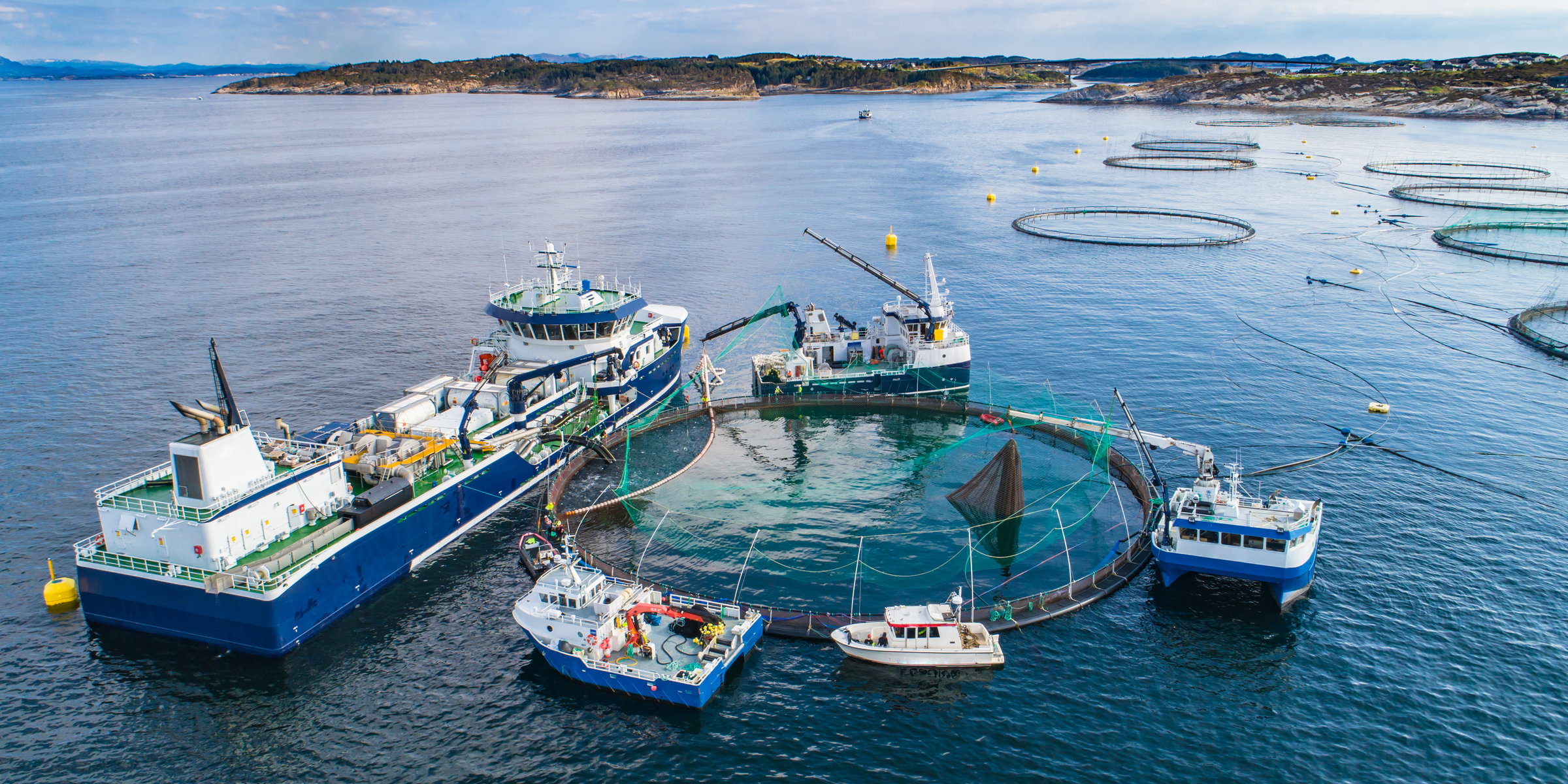
Aquaculture continues to expand as the world's primary supply engine for aquatic protein, outgrowing both capture fisheries and terrestrial livestock. Atlantic salmon (Salmo salar) is its anchor for institutional investors: a mature capital market ecosystem, high relative operating margins, and proven M&A exit routes.
Norway, as the world's largest producer, harvested 1.55 million tonnes of Atlantic salmon in 2025, with an export value exceeding NOK 130 billion (EUR 11.5+ billion). However, Norwegian salmon farming is currently facing structural changes as licence constraints, cost inflation and biological pressures reshape where value is created and how capital is deployed across the value chain.
At Hatch Blue, we follow the market closely, with a team on the ground since 2018 and several investments into technology companies active in Norway, alongside our global advisory services. Here's our read on the four dynamics shaping the sector today, and how we’re deploying capital into the companies and technologies showing the way forward.
1. Cost Pressures Are Driving the Agenda
While Atlantic salmon holds a price a premium relative to other animal proteins, industry cost structures have shifted substantially over the past decade:
- Production Cost Floor: Average salmon farming production costs in Norway reached EUR 5.23/kg in 2025, up from EUR 3.88/kg in 2016. Feed inputs, sea-lice mitigation, and regulatory compliance are the largest in-line operational expenses.
- Capital Discipline & Proof-of-Concept: Cost inflation has compressed site-level margins. As a result, primary producers are enforcing strict capital discipline. Farmers are prioritizing technology assets that offer a real return on investment by reducing biological risk, improving feed conversion ratios (FCR), or lowering operational mortality.
- Regulatory Growth Limits: Under Norway’s Traffic Light System and strict Maximum Allowed Biomass (MAB) caps, license volume expansion is restricted in critical production zones. Sector growth is therefore forced to pivot from volume-driven expansion to yield optimization, mortality reduction, and technology-driven throughput.
2. The Capital Stack is Diversifying
The investor landscape in salmon farming is shifting away from traditional bank-led syndicates and pure corporate balance-sheet expansions, broadening into distinct capital buckets:
- Strategic M&A & Consolidation Strategy: Beyond private equity, equipment suppliers and technology leaders are pursuing M&A roll-up strategies: acquiring specialized startups across RAS, subsea robotics, camera systems, and biomass software to offer end-to-end solutions. AKVA group ASA (listed on Oslo Børs, market cap ~NOK 1.5–2.0 billion) built this position over decades. In early 2026, it announced a strategic review, with main shareholders Egersund Group (51%) and Israel Corporation (18%) indicating openness to a potential majority sale: a signal that consolidators themselves eventually reach a scale where global private equity or international strategic capital is required for the next growth phase.
- Life Sciences Capital Entry: Life sciences investors and institutional private equity are taking strategic control positions in core biological assets. A key market signal was Novo Holdings’ acquisitions of Stingray Marine Solutions (laser-based parasite control) and Benchmark Genetics, confirming that non-strategic, permanent capital views fish health and welfare as an institutional asset class.
- Infrastructure Capital in Value-Chain Services: Major infrastructure funds are taking majority equity stakes in specialized marine service platforms. Moves into wellboats, service vessels, and subsea maintenance – such as Goldman Sachs’ acquisition of Frøy, Antin Infrastructure Partners’ investment in Sølvtrans, and Arcus’ entry into Abyss Group – underscore the shift toward treating service fleets as essential ocean infrastructure.
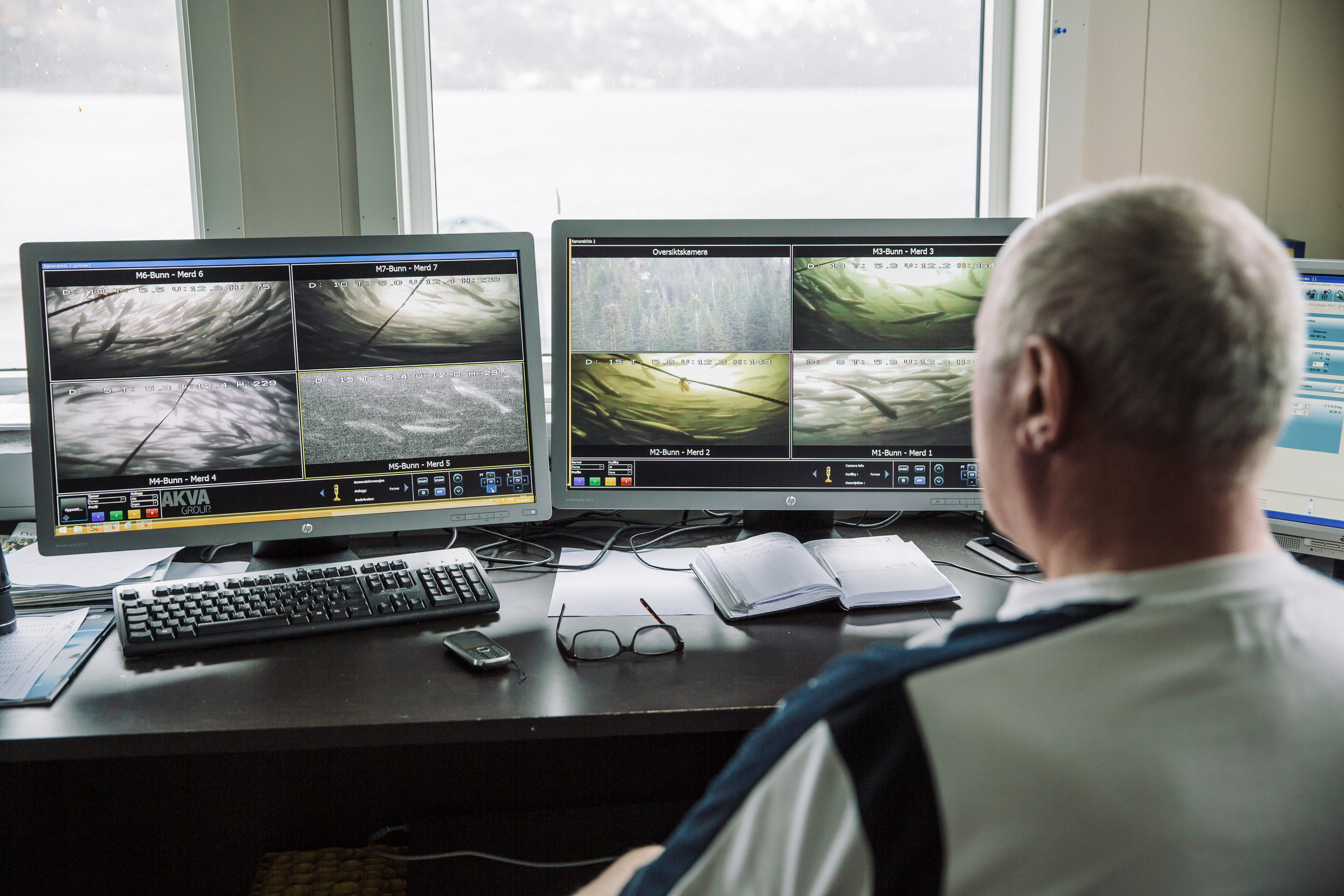
- Consolidation in Hardware & Data Platforms: Hardware suppliers, sensor providers, and software developers are entering a consolidation phase. Producers are actively seeking integrated hardware-software platforms that combine computer vision, water quality parameters, and predictive biomass analytics into single operational interfaces.
3. Frontline Technology Is Addressing Bottlenecks
- Biosort (Hatch Portfolio, Farm Automation / Computer Vision): Deploys underwater computer vision and sorting mechanisms inside sea cages to identify individual fish by physical traits, enabling early detection of sea lice, lesions, and disease
- Manolin (Hatch Fund I, Predictive Analytics & Data): Aggregates oceanographic, treatment, and biological data across farming regions to deliver predictive early-warning insights for disease outbreaks and environmental risks.
- Sensor Globe (Hatch Fund II, Precision Sensors & Welfare): Provides wireless, multi-sensor spherical probes tracking dissolved oxygen, pH, temperature, and acceleration/impact forces in real-time during crowded, delousing, and wellboat transport operations.
- DeNova (Blue Revolution Fund, Sustainable Feed Ingredients): Scales single-cell protein produced from methanotrophic bio-fermentation, converting greenhouse gas streams into high-protein meal to replace marine fishmeal and soy protein concentrate in salmon diets.
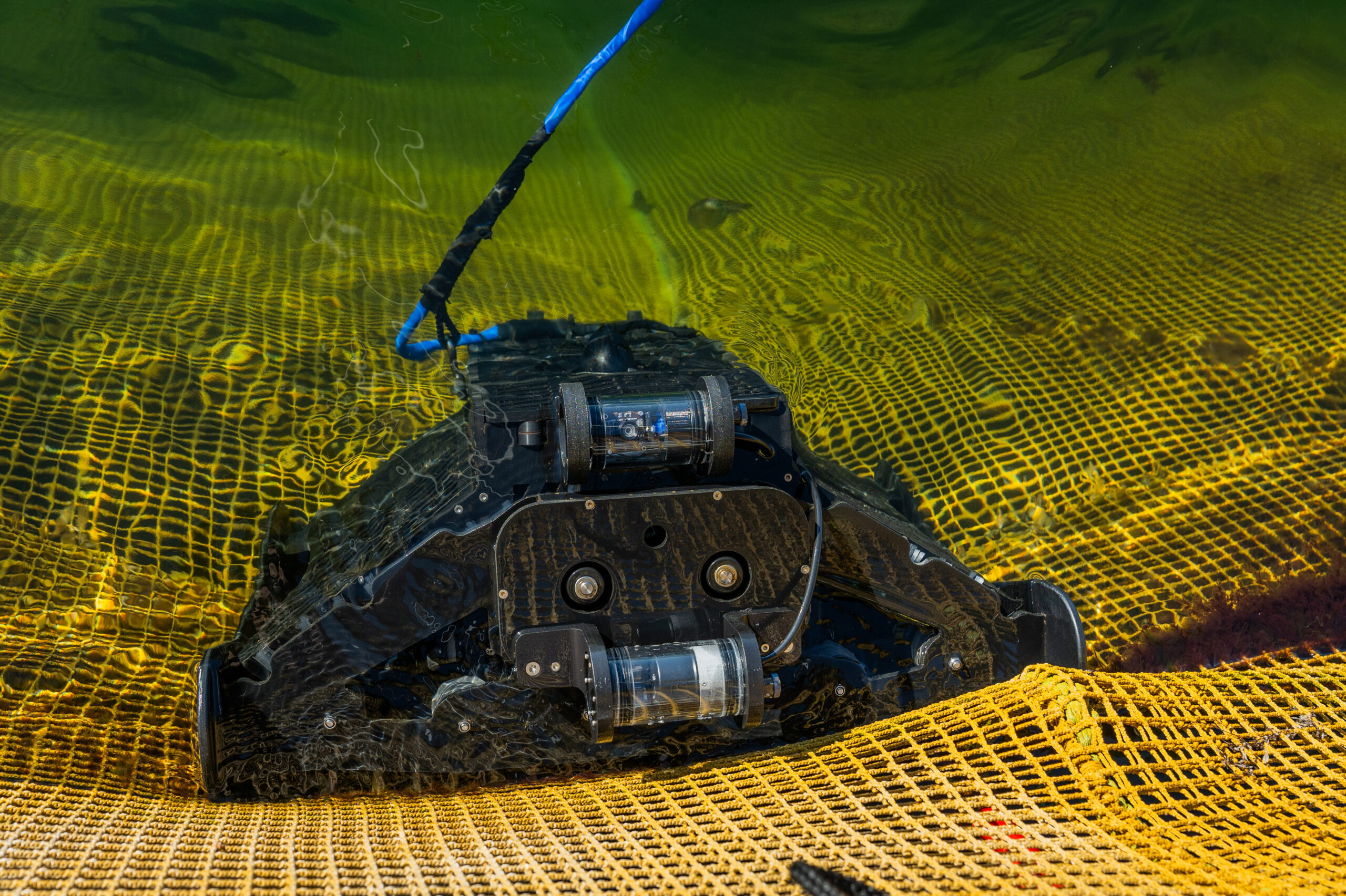
- Remora Robotics (Blue Revolution Fund, Autonomous Subsea Robotics): Operates continuous, autonomous net-cleaning robots designed to maintain clean netting, improving in-cage water exchange and oxygen levels while lowering labor and fuel costs.
- Planktonic (Blue Revolution Fund, Early-Stage Health & Larviculture): Delivers cryopreserved barnacle nauplii as a bio-secure, highly nutritional live feed for marine fish larvae, improving juvenile health, stress resistance, and growth.
4. New Investment Themes Are Emerging
Looking across the European and global marine farming landscape, we see four core investment themes that offer high conviction for future capital deployment:
- Precision Welfare & Biological Risk Mitigation: Technologies that digitize and automate biomass management – such as real-time water condition tracking, automated lice removal, and precision health analytics – are becoming core capital requirements to safeguard biomass value.
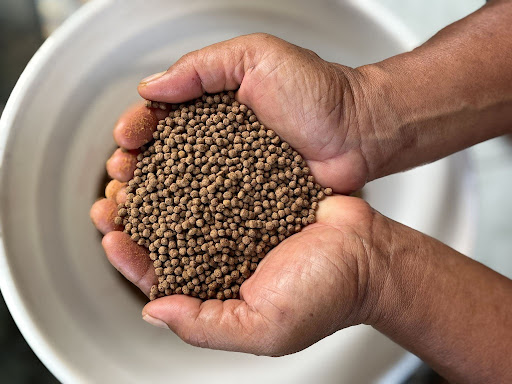
- Feed Ingredients & Circular Upcycling: As the supply of wild fish oil and fishmeal remains constrained, scaling alternative proteins (methanotrophic SCPs, microalgae and insect meal) and capturing high-value functional compounds (peptides, marine lipids) from processing by-products will be critical to support long-term volume growth.
- Alternative Farming Infrastructure: High-CAPEX production platforms – closed, semi-closed, submerged or offshore pens – will continue to bridge supply growth where coastal net-pen licenses remain capped.
- Automation and AI agents: The integration of computer vision, edge-computing sensors, and autonomous systems into daily farm workflows is shifting aquaculture from reactive management to real-time, autonomous decision-making. These technologies are feeding regimes, early disease detection, and biomass prediction to maximize yield per cage.
The Next Cycle of Value Creation
The Norwegian aquaculture ecosystem remains the primary incubator and testing ground for global aquaculture technology. As cost pressures and environmental boundaries push the industry beyond traditional production models, the integration of targeted capital, biological innovation, and data infrastructure will define the next cycle of value creation. There are few more interesting markets to invest in right now – if you're building in Norway, or looking at the market as an investor, get in touch.
Article by Tanja Hoel, Managing Director of Hatch Blue Norway [31 August 2026]
Related Posts
Maine: A Natural Hub for Blue Biotechnology
Canada's First Aquaculture Studio: What We Learned
What It Will Take to Scale Seaweed Biostimulants