Portfolio Spotlight: Symbrosia

The Problem
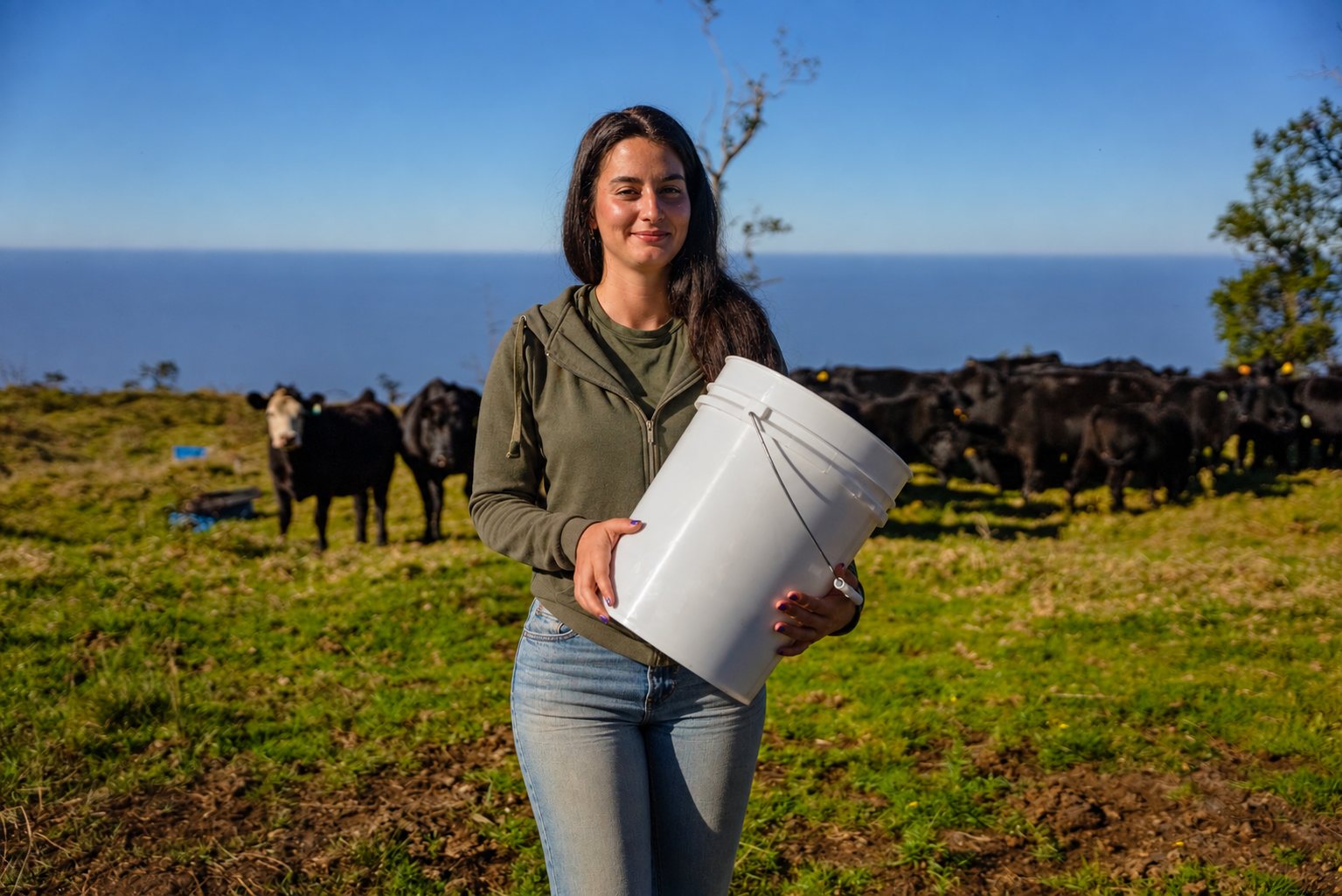
During her studies at Yale, Symbrosia founder Alexia Akbay came across Australian research with a staggering finding: a wild red seaweed, Asparagopsis taxiformis, cut enteric methane emissions from livestock by 90%. Cattle farming is a major source of methane, a potent greenhouse gas. For a then vegan student frustrated by the resistance to eating less meat, this was a product waiting to be built.
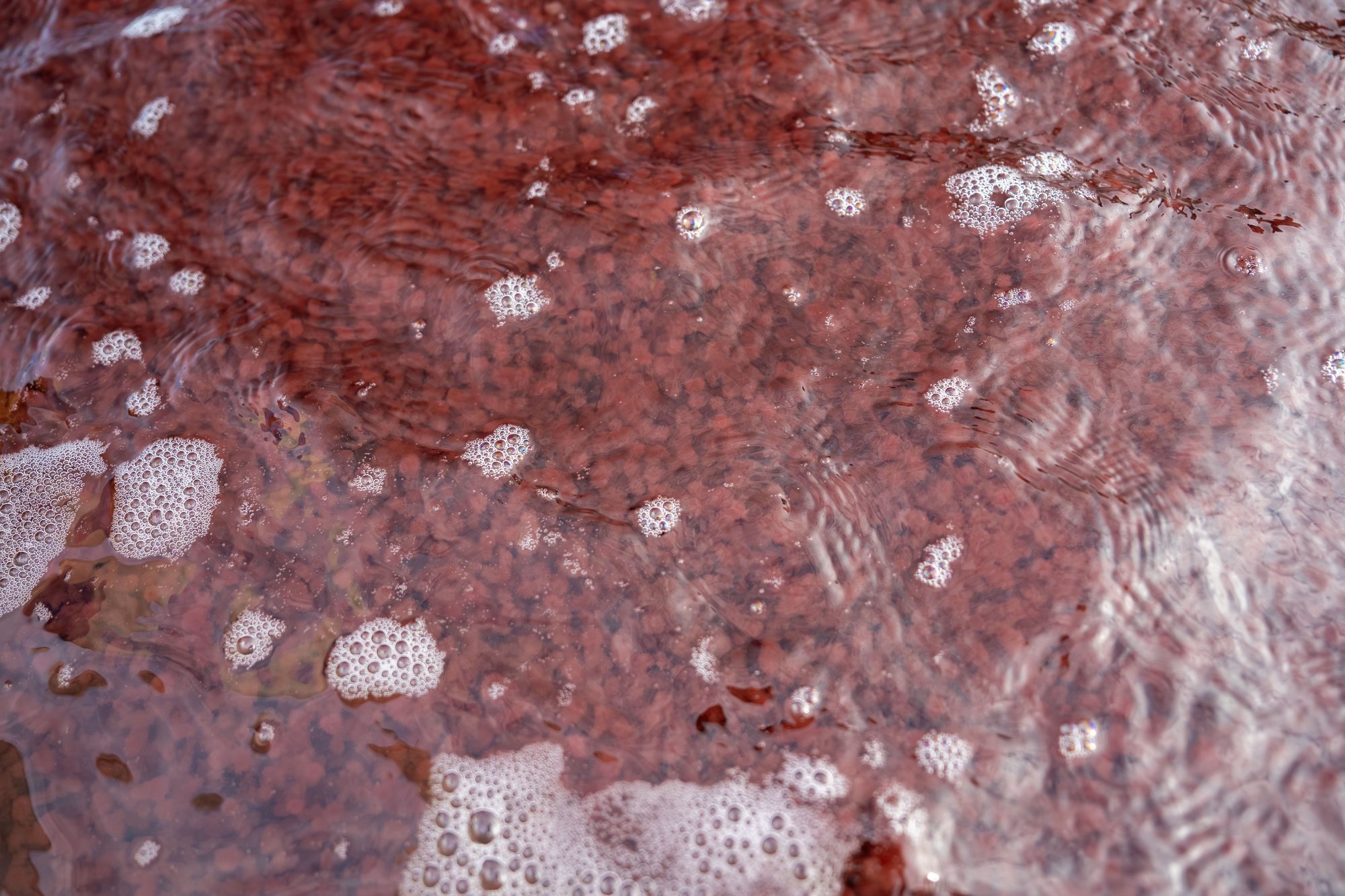
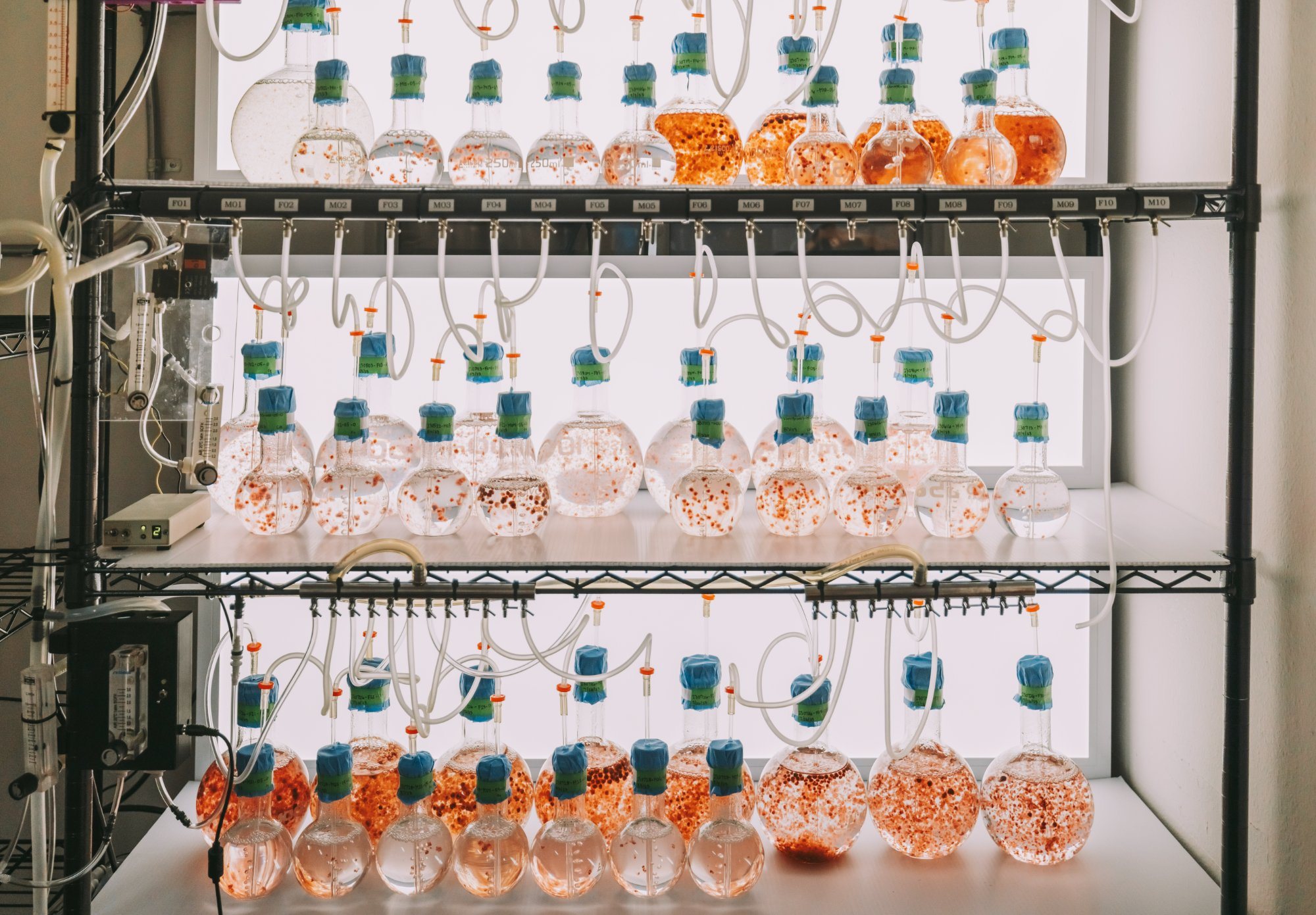
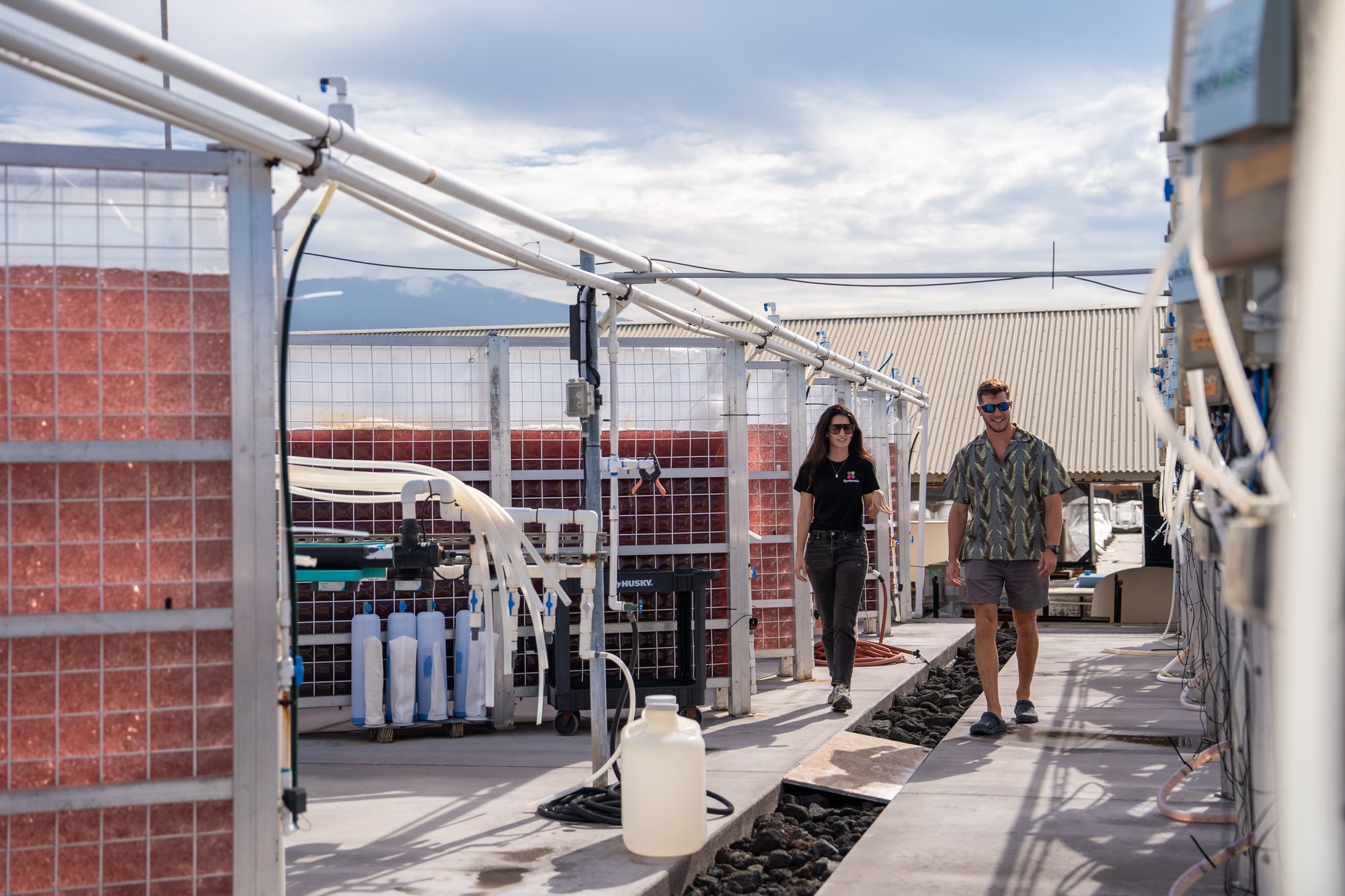
Akbay and her founding team set out to bring it to market. The catch: this high-value red seaweed had been difficult to grow. Seaweed farming sits mostly with smallholder farmers in coastal communities, working low-tech production methods to grow a few varieties of already domesticated seaweeds, with limited room for efficiency gains. This has also kept growth capital out. So Symbrosia took on several firsts at once: domesticating a new crop, and building a high-tech land-based system to cultivate it at the needed quality to successfully reduce enteric emissions.
The Innovation
The livestock producer would need an economic reason to use the seaweed-based ingredient. Seaweed's nutritional properties are well established in humans: minerals, antiviral and antibacterial activity. Symbrosia's research showed the same properties carrying through in animals, with dramatic health benefits. Commercial trials validated these findings, propelling commerciazation.
Symbrosia built its product on that, selling the feed ingredient as both a methane reducer and an animal health product, one that livestock producers are willing to pay for. In late 2025 Symbrosia brought SeaGraze® to market, the first aquacultured USDA Organic antimethanogenic additive. It is fed to beef, dairy and sheep, on pasture and in feed lots, in oil or powder form as part of existing routine operations.
Symbrosia's commercial studies show beef cattle growing faster on the feed, which goes straight to rancher profit: in a 15-month pasture trial, cattle showed a 26% increase in average daily gain against controls. Synthetic molecules, such as Bovaer and isolated bromoform, developed by competitors have not shown that growth effect (Kelly et al., 2025).
Why We Backed Them
We invested in Symbrosia in 2019, before there was a product. Big consumer brands were already calling off the back of a college pitch competition, signaling market interest. Asparagopsis taxiformis was the only route showing methane reductions at that scale, and Symbrosia had the lowest-cost production method for it: raceways, rather than open ocean, indoor or outdoor tanks.
The team came in without aquaculture experience, bringing scientific skills from other high-tech fields. As specialist aquaculture investors, we brought the sector know-how and the network to match. As Alexia, Founder & CEO, puts it: "Working with Hatch goes beyond just capital. They're more like business partners. Because the focus is specifically on aquaculture, resources were highly tailored to our niche, and that was extremely catalytic."
The Journey So Far
Symbrosia set out to cut cattle's environmental footprint. Since then, amid shifting geopolitical realities, the market for greenhouse gases collapsed. What carried the company through is the financial case – accelerated growth and improved feed efficiency – and the producer gets the emissions reduction all the same.
Ranchers watch their economics closely, and that set the bar for evidence. The live animal trials Symbrosia ran, academic and commercial, proved the nutritional benefits and overturned a set of assumptions that have kept the market away from Asparagopsis:
- Ranchers do not have to add a step to their existing operations, because the formats blend seamlessly into existing supplementation regimes.
- Asparagopsis does not leave cancerous compounds accumulating in the cow, because the molecules volatilize within hours and has been consumed by Hawaiian and South East Asian populations for centuries.
- Synthetic products cannot match Asparagopsis’s natural matrix. Its highly chelated structure supports absorption, while slow release sustains methane reduction for up to 72 hours. That efficient delivery achieves the same reduction with less active compound, supporting safety.
Market appetite stayed untested until the product launched. Once it landed, demand ran ahead of supply. AgriFood majors are building animal nutrition portfolios and, as amino acid chemistry becomes better understood, moving towards whole ingredients over synthetic isolates. Symbrosia sits in that niche already, with defensible IP and high-value R&D still ahead of it.
How We're Supporting the Next Milestone
Symbrosia has moved from R&D to commercial readiness, domesticating and scaling a new species at speed, proving to the market and investors it could be done. The goal is to grow supply to meet the demand it has validated.
Symbrosia is extending cultivation from Hawaii to Bali, a lower-cost route to scale. We have brought in an Operating Partner to work alongside the team on production, carrying process discipline across from pharma bioprocessing into algae cultivation.
The company is concentrated on supplying the partners ready to buy, on multi-year contracts with some of the top ranches in the United States. After that come larger development projects with bigger distributors across multiple regions.
Carsten Krome, Managing Partner & Co-Founder at Hatch Blue sums up: "We've been alongside the team through every pivot, every trial and every market hurdle. The team, while young, is mission driven, charismatic and willing to go the extra mile. They have built up an amazing amount of intellectual property and SOPs around Asparagopsis cultivation, which is unrivalled in the industry."